.webp) zenygame.com
zenygame.comHow To Play EA Sports FC 25 A Complete Beginners Guide
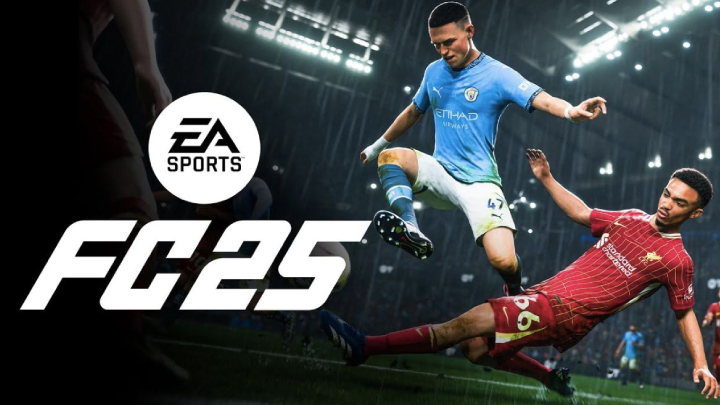
EA Sports FC 25 is a football game that gives players many ways to enjoy virtual football. You can play individual matches, manage a club, develop players, build squads, compete against other players, and experiment with different tactical approaches. For beginners, the number of options can feel overwhelming at first. Learning the basics in the right order makes the game much easier to understand.
This guide explains how to play EA Sports FC 25 step by step. It starts with the first things to learn before a match and gradually moves toward passing, attacking, defending, formations, squad management, practice, and competitive play. Whether you are completely new to football games or coming from an older EA Sports FC title, these tips can help you build better habits and become a more confident player.
1. How To Start Playing EA Sports FC 25
When you first start EA Sports FC 25, spend some time exploring the main menu and understanding the different ways you can play. You do not need to enter the most competitive mode immediately. A simple match against computer controlled opponents is a good place to begin because you can focus on learning controls without worrying about another human player constantly changing their strategy.
Before starting a serious match, check your controller configuration and make sure you understand the basic buttons. You should know how to move players, pass, shoot, sprint, switch defenders, and perform basic defensive actions. Being comfortable with these controls will make every other part of the game easier.
A good beginner progression is to start with short practice sessions, then play casual matches, and gradually increase the difficulty. Avoid changing several settings at the same time because it can make it difficult to understand what is helping or hurting your performance.
A useful starting checklist includes
Learn player movement
Practice short passing
Practice shooting
Learn basic defending
Try different formations
Play several matches against computer opponents
Increase difficulty gradually
The goal during your first matches should not simply be winning. Instead, concentrate on becoming comfortable with the controls and learning how the players respond to your decisions.
2. How To Learn Player Movement And Controls
Player movement is the foundation of EA Sports FC 25. Before learning advanced tactics or complicated attacking techniques, you should become comfortable moving players around the pitch. Use normal movement when you need precision and use sprint when there is enough space to accelerate.
One common beginner mistake is holding sprint for almost the entire match. Constant sprinting can make players harder to control and can cause you to move past the ball or lose possession when changing direction. Use sprint selectively when chasing an opponent, attacking open space, or trying to reach a loose ball.
You should also practice changing direction smoothly. Football is not only about moving forward. Good players constantly move sideways, backward, and diagonally to create space or maintain defensive positions. Practice moving around without the ball as well because positioning is just as important as controlling the player with possession.
Practice the following movements
Move slowly in open space
Change direction without sprinting
Accelerate into open space
Stop and turn quickly
Track an attacking player
Move defenders into passing lanes
Once basic movement becomes natural, you can concentrate more on what is happening around you instead of thinking about every button press.
3. How To Pass The Ball More Effectively

Passing is one of the most important skills in EA Sports FC 25. Good passing allows you to keep possession, move defenders, create space, and build attacks. Beginners often try to pass forward as quickly as possible, but this can lead to unnecessary turnovers.
Before passing, look at the position of your teammates and the defenders around them. If the nearest player is heavily marked, look for another option. A sideways or backward pass can be useful because it gives you more time to reorganize your attack.
Short passes are generally easier to control and can help you maintain possession. Longer passes can be useful when you see a teammate making a run into open space. However, you should avoid attempting difficult passes simply because they look exciting.
Try to create simple passing patterns between three or four players. For example, you can move the ball from a defender to a midfielder, then toward a wide player before returning the ball to the center.
Passing combinations can move defenders away from their original positions. When an opponent moves toward the ball, another area of the pitch may become available. Learning to recognize these spaces is more important than trying to make complicated passes every time.
Look before passing
Avoid forcing passes through crowded areas
Use sideways passes when necessary
Move after releasing the ball
Keep multiple passing options available
Use longer passes when there is clear space
The more comfortable you become with these habits, the easier it will be to control the pace of a match.
4. How To Attack And Score More Goals
Creating goals requires good positioning, patience, and decision making. Instead of rushing toward the goal every time you receive the ball, look at the defensive structure first. Identify where your opponents are positioned and where your teammates can create movement.
Using the wings can be an effective way to stretch a defense. When defenders move toward the side of the pitch, space may open in the center. You can then move the ball back toward the middle or look for a forward making a run.
Central attacks can also be effective when you have enough passing options. Quick combinations around the edge of the penalty area can move defenders out of position and create shooting opportunities.
Try to avoid shooting from poor positions simply because you have possession near the goal. A short additional pass may create a much clearer opportunity.
Watch your teammates as they move without the ball. A forward making a run behind the defensive line can become a dangerous passing option. Timing is important because a pass that arrives too early or too late can allow the defender to recover.
Build possession from the back
Move the ball into midfield
Use wide players to create space
Look for forward runs
Move defenders with quick passes
Choose between passing and shooting
Finish when a clear opportunity appears
The best attacks are often created through several simple decisions rather than one complicated move.
5. How To Defend Without Losing Your Shape
Defending can be difficult for new players because it requires patience. A common mistake is immediately controlling the nearest defender and rushing toward the opponent. If you move that defender too far out of position, the opponent may pass into the space you leave behind.
Instead, try to protect the most dangerous areas first. Keep defenders between the opponent and your goal whenever possible. If an attacker is moving toward the center, blocking the central route can be more important than immediately trying to win the ball.
Defensive positioning also requires awareness of the players you are not controlling. Your controlled defender should support the overall defensive structure rather than chasing the ball without a plan.
Do not tackle every time you approach an opponent. Wait until the ball is within a reasonable distance and challenge when the opportunity is clear.
If you miss a tackle, recover quickly rather than continuing to chase from a poor position. Sometimes returning to a useful defensive area is better than making another desperate challenge.
Protect the center
Block dangerous passing lanes
Track attacking runs
Avoid unnecessary tackles
Keep defenders in position
Watch for passes into the penalty area
Strong defending is often about preventing the opponent from creating a good opportunity rather than constantly trying to win possession immediately.
6. How To Choose The Right Formation And Tactics
Formations determine how your players are positioned on the pitch. A balanced formation is usually easier for beginners because it provides support in defense, midfield, and attack.
You should choose a formation that matches your preferred style. If you enjoy controlling possession, you may prefer a setup that gives you several midfield passing options. If you prefer fast counter attacks, you may want attacking players who can quickly move into open space.
Do not change your formation after every difficult match. Give yourself enough time to understand how your players move within the system. Once you understand its strengths and weaknesses, you can make tactical adjustments.
Your tactics should respond to what happens on the pitch. If the opponent repeatedly creates chances through the wings, you may need to pay more attention to those areas. If you cannot create opportunities, consider whether your attackers are receiving enough support.
When leading late in a match, you may want to prioritize possession and defensive organization. When losing, you may need to take more attacking risks. The important thing is to make changes with a clear reason.
Where is the opponent creating chances
Where am I finding open space
Are my attackers receiving enough support
Are my defenders too far forward
Am I losing possession too quickly
Should I attack faster or slow the game down
Understanding these questions can help you make better tactical decisions.
7. How To Build A Strong And Balanced Team

Team building becomes important when you play modes that involve managing a squad over a longer period. A strong team is not necessarily the team with the highest rated individual players. Players should also fit your formation and tactical approach.
Consider what each position requires. A midfielder may need to contribute to both attacking and defensive situations. A winger may be valuable because of speed and creativity. A central defender may need strong defensive qualities and reliable positioning.
You should also build a useful group of substitutes. Football matches can change quickly, and different situations may require different types of players.
Avoid spending all your resources on one area while ignoring obvious weaknesses elsewhere. If your attack is strong but your midfield cannot maintain possession, your forwards may receive very few useful opportunities.
A balanced squad can include
Reliable goalkeepers
Defenders with complementary strengths
Midfielders who can pass and defend
Wide players who can create chances
Forwards suited to your attacking style
Substitutes for different match situations
Think about the entire team rather than individual ratings. A group of players who work well together can often feel more effective than a collection of unrelated high rated players.
8. How To Manage Players And Develop Your Squad
Long term modes require you to think beyond a single match. Player development, squad rotation, transfers, and tactical planning can all influence your results over time.
Young players may require patience before they reach their potential. Experienced players can provide immediate quality but may have different long term value. Try to create a squad that matches your goals rather than making decisions based only on overall ratings.
Squad rotation can also be useful during long seasons. Using the same starting lineup in every match may not always be the best approach. Give suitable players opportunities and consider the demands of upcoming fixtures.
Before an important match, review your starting lineup and consider whether each player suits your tactical plan. If an opponent has dangerous attackers on one side, you may want to consider how your lineup handles that threat.
Monitor player performance
Develop players who fit your system
Rotate the squad when appropriate
Strengthen weak positions
Plan transfers carefully
Give suitable young players opportunities
Review your team regularly
Successful squad management is a long term process. Small improvements can make a significant difference over a full season.
9. How To Practice And Improve Your Skills
Practice is one of the best ways to improve at EA Sports FC 25. However, simply playing many matches does not guarantee improvement. You should identify specific weaknesses and practice those areas.
For example, if you frequently lose possession, spend time working on short passing and movement. If you concede too many goals, focus on defensive positioning. If you create chances but fail to score, practice finishing and improve your decision making around the penalty area.
Try to focus on one or two skills at a time. Learning everything simultaneously can make practice confusing and less effective.
Begin with player movement and basic passing. Then practice shooting and defensive positioning. After practicing individual skills, play a full match and try to use what you learned.
After the match, think about the mistakes you made. Instead of trying to correct everything, select the biggest problem and focus on that during the next session.
Practice movement
Practice short passing
Practice shooting
Practice defending
Play a complete match
Identify repeated mistakes
Practice the weakest skill again
Repeat the process regularly
Consistency is more valuable than spending one extremely long session practicing complicated techniques.
10. How To Become Better Against Real Players
Playing against real opponents is different from playing against computer controlled teams. Human players can recognize patterns and change their tactics based on what you do. If you always attack through the same area, an experienced opponent may begin defending that area more effectively.
Try to vary your attacking approach. Use both sides of the pitch and change the speed of your buildup. Sometimes a slower passing sequence can be more effective than immediately trying to move forward.
You should also study your opponents during the match. If they constantly attack through the wings, pay attention to those areas. If they press aggressively, use quick passes and avoid holding the ball for too long.
Mental discipline can make a significant difference. Conceding an early goal does not mean the match is finished. Rushing forward immediately can create additional mistakes and leave your defense exposed.
When you are losing, make calculated adjustments rather than abandoning your entire game plan. When you are winning, continue to play with discipline instead of becoming careless.
Stay patient after conceding
Avoid forcing attacks
Learn from repeated mistakes
Change tactics when necessary
Look for weaknesses in the opponents strategy
Focus on the next opportunity
Remember that improvement comes from understanding your mistakes. A difficult match can be useful if you recognize what went wrong and use that information in your next game.
Conclusion
Learning how to play EA Sports FC 25 is a gradual process. The best approach is to start with the fundamentals and slowly develop more advanced skills. Learn how to move players, pass accurately, attack intelligently, and defend patiently before focusing heavily on complicated tactics.
Once the basics become comfortable, experiment with formations and tactical approaches. Build a balanced squad, develop players, manage your team carefully, and practice the areas where you struggle most. When you begin playing against real opponents, remain patient and learn to adapt instead of relying on one predictable strategy.
The most important thing is consistency. You do not need to master every technique immediately. By practicing regularly, analyzing mistakes, and improving one area at a time, you can become more confident and effective in EA Sports FC 25.