.webp)







DuneCrawl: The Ultimate Tips & Guides for Crab Keepers
DuneCrawl has exploded onto the scene as one of the surprise co-op hits of early 2026. Developed by Alientrap, this game blends the chaotic energy of Lethal Company with the ship-management intensity of Sea of Thieves—except your ship is a gigantic, cannon-wielding crab. Whether you are a solo Crab Keeper or part of a four-person crew trying to liberate the sandy seas from the Ceramicist’s Vassals, the learning curve can be steep.
Surviving the desert isn't just about shooting jar-headed enemies; it’s about mastering the physics of your crawler, managing a delicate economy of scrap and gold, and coordinating boarding parties without getting left behind in the dust. This comprehensive guide covers everything from basic crustacean care to advanced siege tactics against Vassal Towers. Strap on your Blasting Tunic and load the black powder—it’s time to take back the dunes.
1. Mastering the Dune Crawler: Roles and Responsibilities
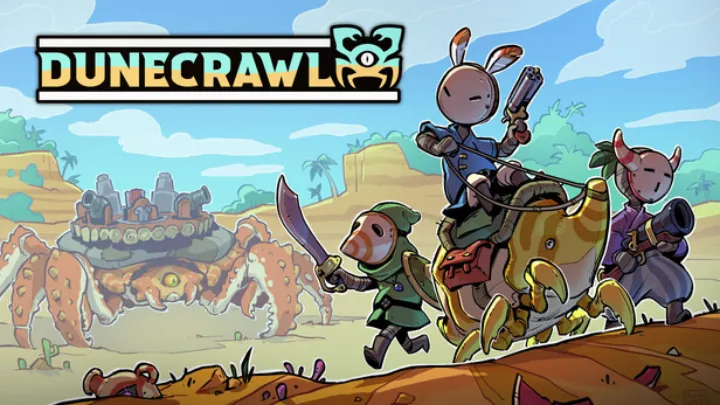
Your Dune Crawler is not just a vehicle; it is your mobile base, your tank, and your best friend. In a full squad, assigning roles is essential for survival. The Helm controls movement, but unlike a car, the Crawler has momentum and turn-radius limitations. The driver must communicate intentions ("Hard right to avoid the mortar!") so the Gunners can line up their shots. Gunners aren't just clicking on enemies; they must physically load cannonballs from the hold. If the hold is empty, someone needs to craft or fetch ammo.
The most underappreciated role is the Engineer/Deckhand. When your Crawler takes damage, its legs can be disabled, leaving you a sitting duck. The Engineer must rush to the damaged leg and hammer it back into shape while under fire. Furthermore, during boarding actions, the Engineer is responsible for repelling enemy boarders who try to sabotage your cannons. If you are playing solo, you must juggle all these roles, often relying on the "Old Keeper" ghost helper or upgrading your automation systems early to handle reloading.
2. On-Foot Combat: Dodge Rolling and Weapon Physics
While the Crawler handles the heavy lifting, much of the game takes place on your own two feet. Combat in DuneCrawl is physics-based and punishing. You cannot face-tank damage. The Dodge Roll is your primary survival tool, providing a brief window of invincibility (i-frames). However, rolling consumes stamina. Managing your stamina bar prevents you from being caught flat-footed when a Vassal wind-up attack comes your way.
Weapon variety dictates your playstyle. The starting Revolver is reliable, but you should quickly look for the Musket for long-range sniping or the Scattergun for crowd control. Be aware of reload times; black powder weapons are slow. A pro tip is to switch to your melee weapon (like the Cutlass or Hammer) to finish off low-health enemies rather than wasting time reloading. Also, utilize the environment: Bomb Flowers can be picked up and thrown into groups of enemies to save your own ammo.
3. The Tunic and Mask System: Crafting Your Build
Gear in DuneCrawl isn't just cosmetic; it defines your class. Tunics provide passive buffs that change how you engage in combat. The Blasting Tunic is a fan favorite for aggressive players; it drops a small explosive every time you dodge roll. This turns your defensive move into an offensive weapon, perfect for escaping being surrounded. Conversely, the Shielded Tunic generates a reflector shield during dodges, ideal for players who draw aggro.
Masks offer more specific weapon buffs. The Spitfire Mask, for instance, grants an extra shot to Pepperboxes and Subguns before needing to reload. When playing in a group, coordinate your builds. Have one player wear the "Medic" style gear to revive faster, while another stacks damage buffs to handle the bosses. You can swap gear at your Crawler’s wardrobe, so don't be afraid to change your loadout before a specific mission type.
4. Siege Tactics: Destroying Vassal Towers
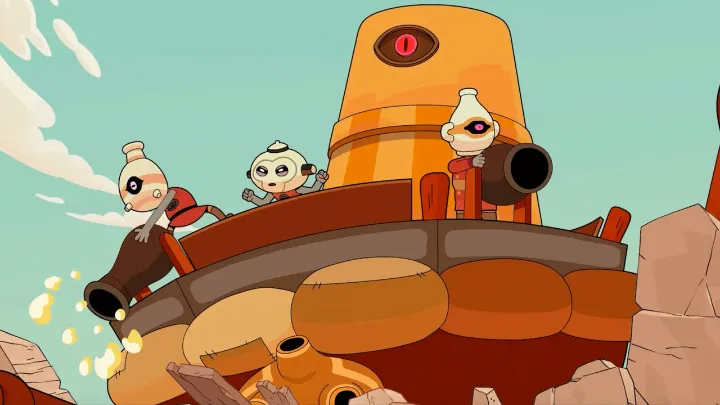
The map is dotted with Vassal Outposts and Towers—fortified structures that rain fire on you. Approaching these requires a siege mentality. Do not rush your Crawler directly into the firing line of three towers. Instead, use the terrain (sand dunes and rock formations) to break line-of-sight. Peek out, fire a volley of cannonballs to destroy the tower's turrets, and then retreat to reload. This "hull-down" tactic preserves your Crawler's health.
Alternatively, use the "Trojan Crab" strategy. Park your Crawler safely outside the tower's range and launch a Boarding Party on foot. Using gliders or simply running, your crew can infiltrate the tower from the ground. Once inside, you can often destroy the tower's power core or kill the operators manually. This is riskier for the players but safer for the Crawler. Remember to loot the chests at the top of towers; they often contain Blueprints for advanced weapons.
5. The Art of Boarding: Ship-to-Ship Combat
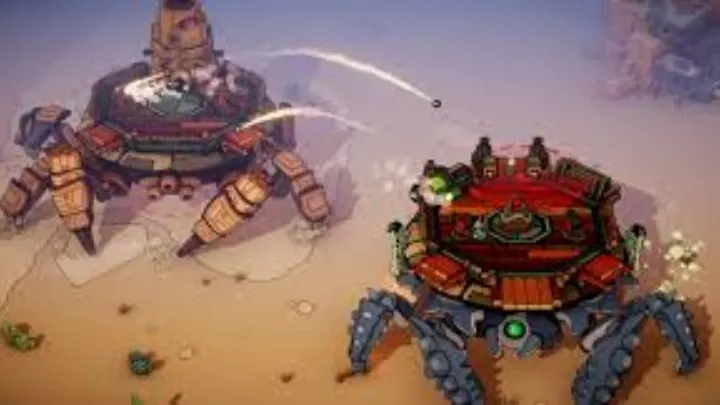
Enemy Crawlers are the sharks of the sand sea. Engaging them in a pure DPS race is dangerous. The most effective way to sink an enemy Crawler is boarding. Use the prawn-apults or jump pads on your deck to launch yourself onto the enemy crab. Once aboard, prioritize killing the Captain (the pilot). If the enemy Crawler has no pilot, it stops moving, making it an easy target for your gunners back home.
Be careful of "Anti-Boarding" spikes that high-level enemies use. If you land on them, you take massive damage. Also, watch out for the enemy crew defending their deck. Shotguns and "Knockback" weapons like the Hammer are king here; knocking an enemy player or NPC off their own crab into the open desert effectively kills them during a high-speed chase, as they will be left behind.
6. Bug Riding: Mobility Beyond the Crawler
You don't always have to walk or drive the big crab. The desert is populated with smaller insect life that can be tamed or ridden. Beetles are the horses of DuneCrawl; they are faster than sprinting and can ram enemies. Nymphs are skittish but incredibly fast, perfect for scouting runs or racing back to the Crawler if you get left behind. To ride them, you may need specific bait or to complete the "Herding" quests early in the game.
In combat, mounting a specialized War Scorpion or Ball Bug can turn the tide. These mounts often have their own attacks. A War Scorpion can tank hits that would kill a player on foot. Keep an eye out for "Bug Eggs" in caves; hatching these at the Polloi stables can grant you permanent mount summons that you can deploy during missions.
7. Economy Management: Scrap vs. Gold
There are two main currencies: Gold and Scrap. Gold is used at shops to buy consumables and unlock blueprints. Scrap is used to repair your Crawler and upgrade its hull. A common rookie mistake is selling everything for Gold. You must keep a healthy reserve of Scrap. If your Crawler loses a leg in the middle of the Deep Dunes and you have 0 Scrap, you are effectively stranded. Always keep at least 50 Scrap in the hold.
Use the Incinerator found in towns to convert junk items into Gold. However, be selective. Some "junk" items are actually quest requirements or crafting components for high-tier Talismans. If an item description says "Used for crafting," stash it in your onboard storage. Only burn items labeled "Trade Good" or duplicates of gear you already have. Upgrading your Crawler’s storage capacity should be your first big purchase to hoard more resources.
8. Dungeons and Puzzle Mechanics
Dungeons in DuneCrawl (like Prawnelope’s Tomb) shift the gameplay from open-world action to puzzle-solving. Many puzzles involve the Idol Mechanic. Carrying a heavy Golden Idol prevents you from using weapons and slows your movement. In co-op, this is a "Protect the VIP" scenario: one player carries the idol while the others defend them from spawning bugs. You can throw the idol to pass it over gaps or to a teammate on a ledge.
Look for breakable walls and hidden switches. The game rewards curiosity. If you see a suspicious crack in a temple wall, try blowing it up with a Bomb Flower or a Buzzooka shot. Secret rooms often contain Talismans, which provide powerful passive effects like "Health Regen" or "Faster Reload Speed." These cannot be bought; they must be found.
9. Advanced Crawler Upgrades: Spikes and Torpedoes
As you progress, you will face the Ceramicist’s elite fleets. Your starter cannon won't cut it. Upgrading your Crawler at the Shipwright is vital. Spiked Legs deal melee damage to enemies you trample, turning your movement into a weapon. Guided Torpedoes are expensive but essential for hitting fast-moving targets like the "Skimmer" enemies that dodge standard cannonballs.
Don't neglect the defensive upgrades. Reinforced Carapace increases your max HP, but Auto-Repair Bots are the game-changer for solo players, slowly fixing damage over time. You can also customize the aesthetic—giving your crab a top hat or a sporty paint job doesn't increase stats, but it boosts morale (and looks great in screenshots). Prioritize weapon upgrades first, then automation, then cosmetics.
10. The "Polloi" Reputation and Quest Flow
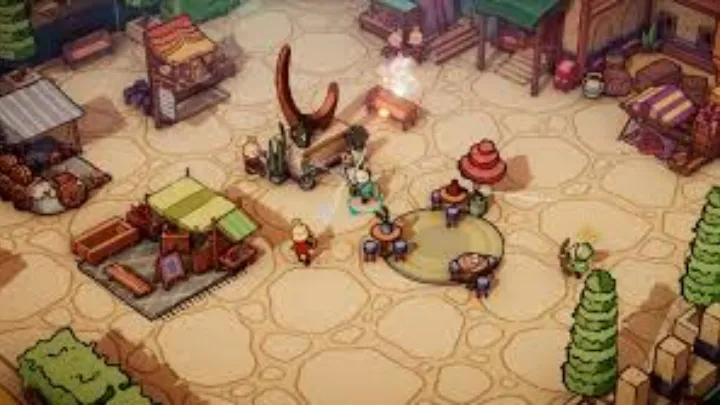
The Polloi are the cute, oppressed bird-folk you are saving. Completing quests for them raises your reputation. High reputation unlocks better prices at merchants and, crucially, AI Companions. You can hire Polloi mercenaries to man your cannons or repair your ship. They aren't as smart as human players, but they are incredibly accurate with turrets.
Follow the main questline ("The Great Crawler’s Path") to unlock new islands, but do not ignore the "Bounty" boards in taverns. These side quests often force you to explore obscure corners of the map where the best loot is hidden. If you get stuck on a main mission boss, go do a few bounties, upgrade your Tunic, and come back. The open-ended nature of the game allows you to out-level content if you put in the time.
Conclusion
DuneCrawl is a game that thrives on chaos, but rewards coordination. It is easy to get distracted by the sheer fun of riding a giant crab into the sunset, but the deeper mechanics of build-crafting, siege warfare, and economic balancing are what will keep you alive against the Ceramicist’s armada. Whether you are a blasting enemies with an Acid Harpoon or frantically repairing a broken leg while your friend steers you off a cliff, remember: the Crawler is your home. Protect it, upgrade it, and it will carry you to victory. Now, go wake up that crab—adventure waits for no one.
Master DuneCrawl with these tips: assign crew roles (Helm vs Gunner), use Blasting Tunics for combat, board enemy crabs to win fights, and hoard Scrap for repairs.