Grim Dawn – How Dual-Mastery Design Turns Character Building into Strategic Commitment
Grim Dawn presents itself as a traditional action RPG rooted in the lineage of Diablo II, emphasizing loot, builds, and relentless combat. At first glance, its systems appear familiar: classes, skill trees, gear rarity, and devotion constellations. However, beneath this familiarity lies one of the most consequential design decisions in modern ARPGs—the dual-mastery system. Unlike games that lock players into a single class identity or allow infinite respec freedom without cost, Grim Dawn asks players to commit twice. This article explores how the dual-mastery system fundamentally reshapes player psychology, build planning, experimentation boundaries, and long-term engagement, turning character creation into a strategic contract rather than a reversible choice.
1. Single Mastery Illusion in Early Progression
During the early levels, Grim Dawn allows players to progress using only one mastery, creating a sense of safety and flexibility.
Players often believe they are free to experiment without consequence. Skill points are refundable, and early encounters rarely punish inefficiency.
This phase quietly delays the emotional weight of commitment while training players to think tactically about skill investment.
2. The Second Mastery as a Point of No Return
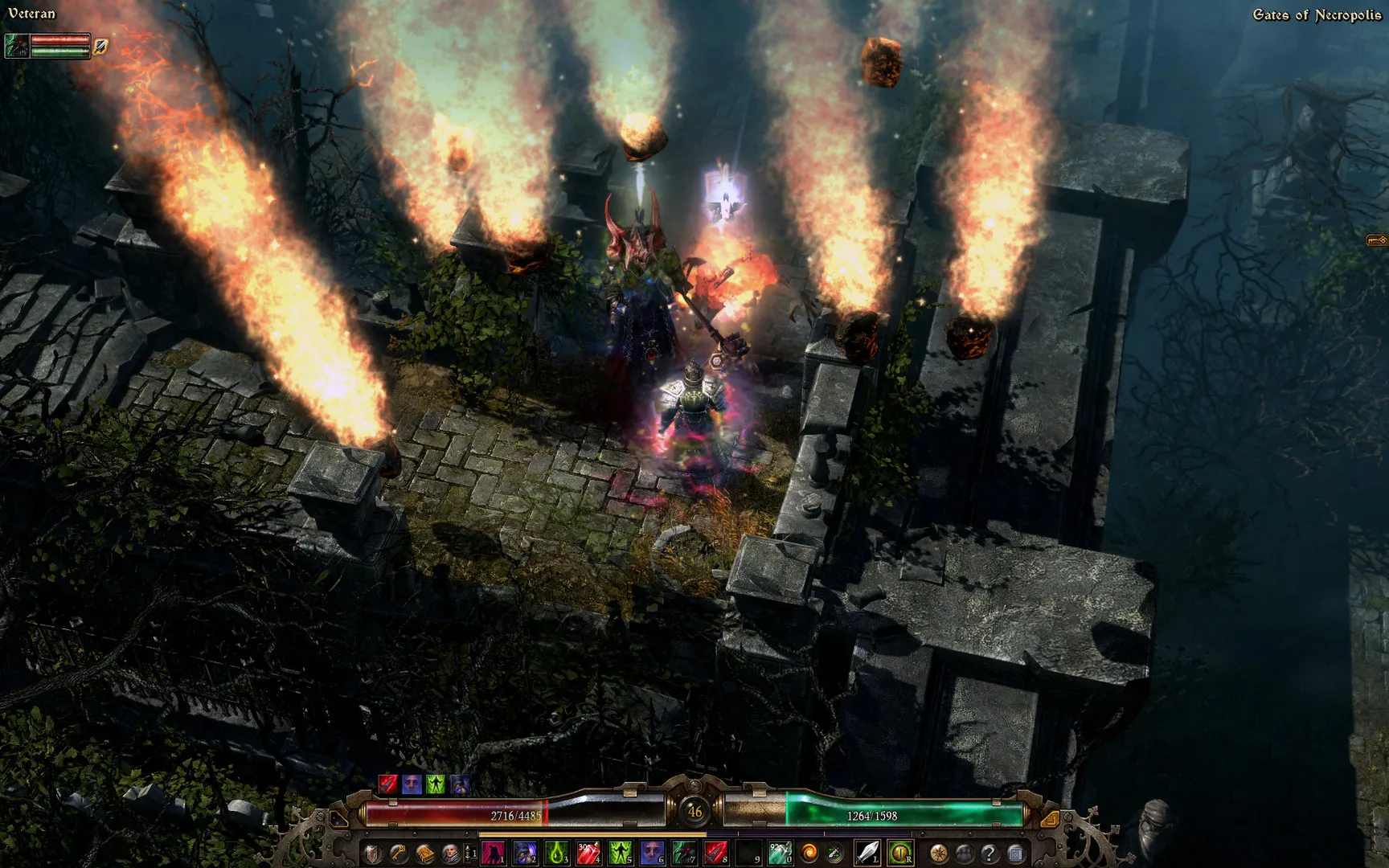
Choosing a second mastery permanently defines the character. This decision cannot be undone under any circumstances.
Unlike skill respecs, mastery selection is irreversible. This transforms the second mastery choice into a defining moment.
Commitment through permanence
The game enforces identity by removing the possibility of full reversal, increasing psychological investment.
3. Hybrid Identity vs. Synergy Pressure
The dual-mastery system promises hybrid creativity, but in practice, it introduces synergy pressure.
Not all mastery combinations are equally viable. Some pairings naturally reinforce damage types, defenses, or scaling mechanics.
Players must balance thematic creativity against mechanical efficiency, often sacrificing fantasy for performance.
4. Build Planning Becomes Front-Loaded
In Grim Dawn, planning happens before execution. Poor mastery combinations cannot be corrected later.
Players frequently consult external tools or theorycraft before committing, shifting gameplay preparation outside the game.
Pre-game decision burden
This front-loaded pressure rewards foresight but raises the entry barrier for new players.
5. Skill Trees Encourage Narrow Focus
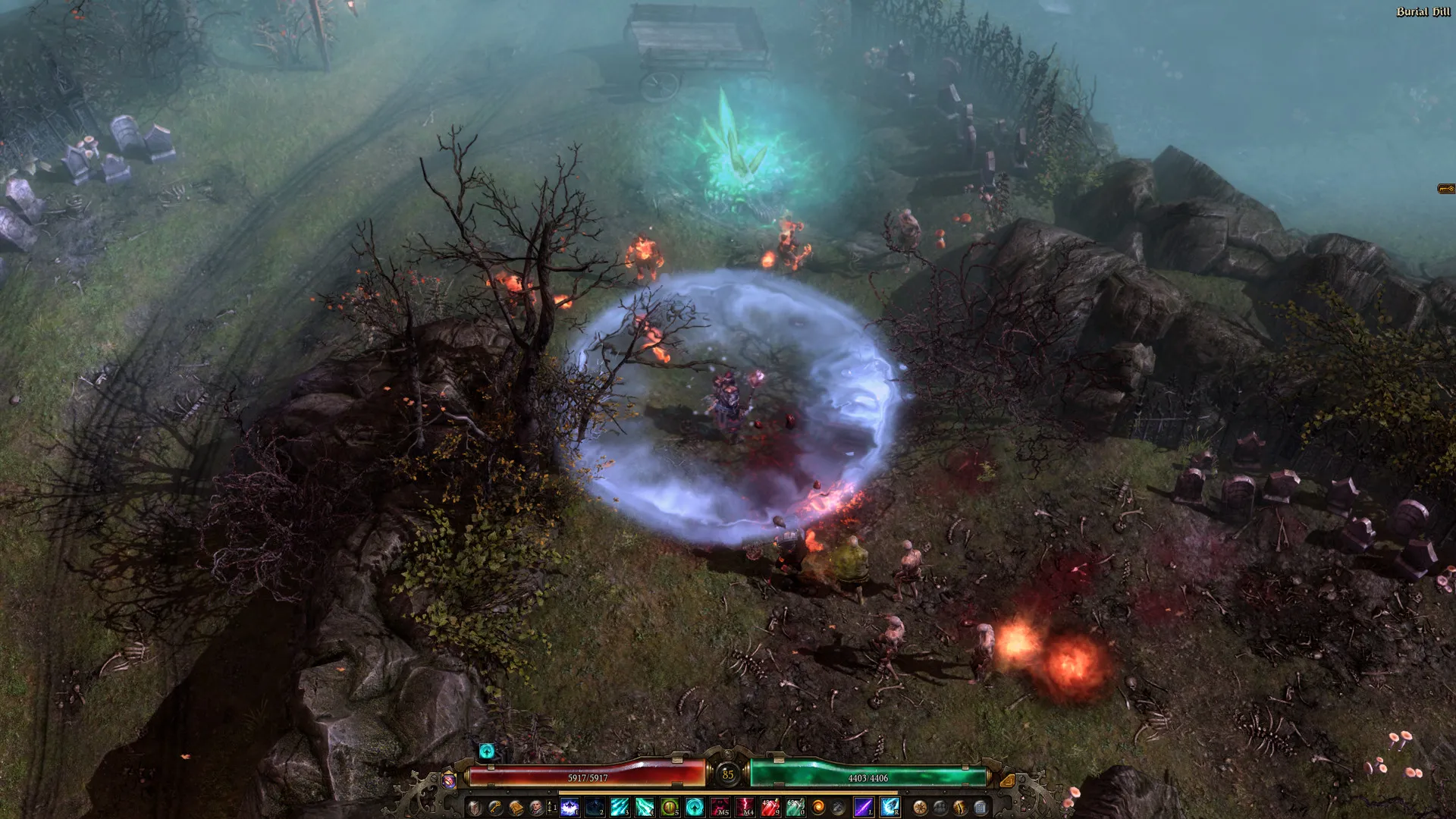
Each mastery offers numerous skills, but resource limitations force specialization.
Spreading points across too many abilities leads to underperformance. The system encourages players to double down on a few core mechanics.
This reinforces strong build identities while punishing indecision.
6. Devotion System Amplifies Mastery Commitment
Devotion constellations lock in damage types and scaling paths that reinforce mastery choices.
Once devotion paths are invested, changing direction becomes increasingly costly and inefficient.
Layered commitment
Mastery decisions cascade into devotion, gear, and attribute alignment, forming a tightly bound build ecosystem.
7. Gear Dependency and Build Validation
In Grim Dawn, gear does not merely enhance builds—it validates them.
Certain mastery combinations rely on specific item modifiers to function properly. Without them, builds feel incomplete.
This creates moments where loot either confirms the player’s strategic foresight or exposes structural weaknesses.
8. Respec Freedom with Structural Limits
While Grim Dawn allows extensive respecs, these freedoms operate within strict boundaries.
Skills, devotion points, and attributes can be adjusted, but mastery identity remains fixed.
Controlled flexibility
The game offers adaptability without undermining the importance of foundational decisions.
9. Emotional Ownership of Characters
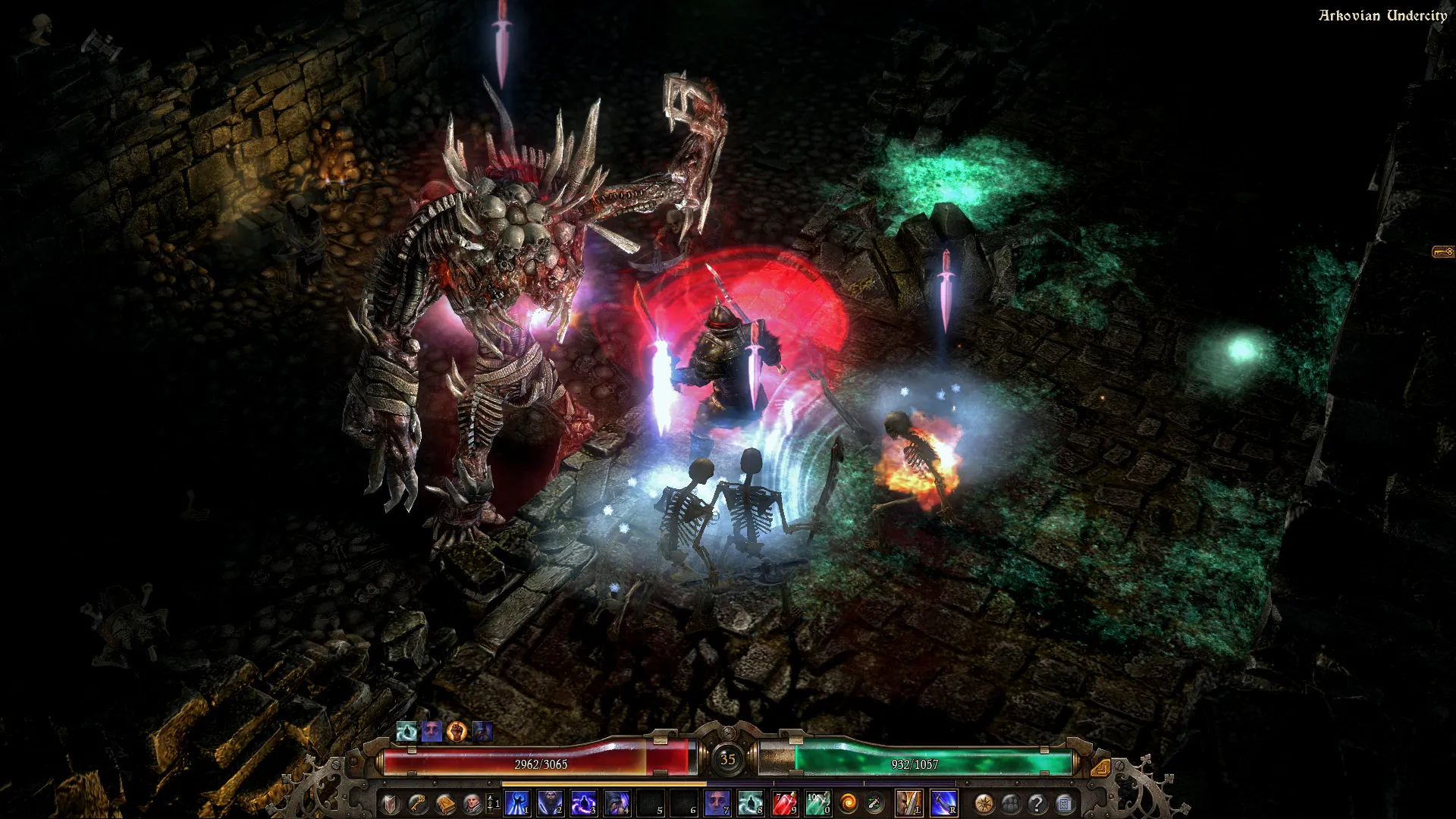
Because mastery choices are permanent, characters feel authored rather than disposable.
Players develop attachment not just to power level, but to the logic behind the build.
Failures feel instructional rather than random, reinforcing a learning-oriented mindset.
10. Why Grim Dawn’s System Endures
The dual-mastery system resists trends toward frictionless respecs and endless experimentation.
By enforcing commitment, Grim Dawn transforms build creation into a strategic discipline.
Identity through limitation
Constraints give meaning to choices, turning characters into long-term projects rather than temporary experiments.
Grim Dawn’s dual-mastery system is not merely a class mechanic—it is the backbone of the game’s identity. By separating reversible choices from permanent ones, the game forces players to think strategically, commit emotionally, and accept the consequences of their decisions. This design elevates character creation from casual experimentation to deliberate authorship, ensuring that every Grim Dawn character tells a story shaped by foresight, limitation, and long-term intent.