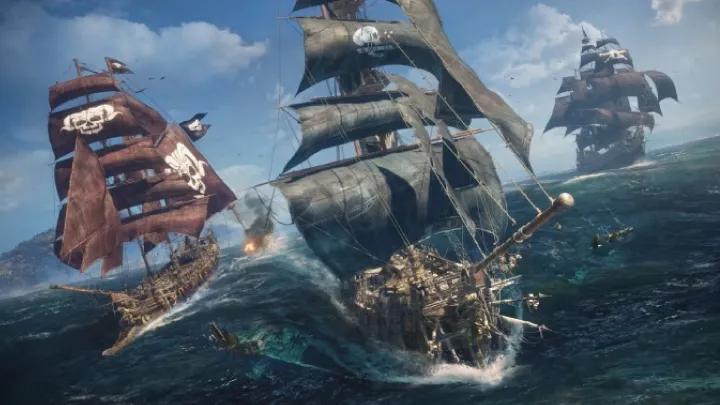





Skull and Bones has made waves in the gaming community as Ubisoft's ambitious venture into the world of piracy, promising an immersive experience filled with naval combat, exploration, and resource management. However, while the game has garnered a considerable amount of anticipation, it also faces significant challenges in maintaining player engagement throughout its vast open world. This article will explore the complexities of player engagement in Skull and Bones, highlighting specific issues related to gameplay mechanics, narrative depth, and social interactions within the game.
The Journey to Skull and Bones
Ubisoft's journey of developing Skull and Bones has been lengthy, filled with anticipation and evolution. Initially unveiled at E3 2017, the game aimed to capitalize on the success of naval combat seen in the Assassin's Creed IV: Black Flag. However, the years following the announcement have seen numerous delays and shifts in the game's vision, ultimately shaping the final product.
Early Expectations and Promises
Initially, players were promised a richly detailed world, filled with diverse environments, intricate naval mechanics, and a deep narrative. The game hinted at a multiplayer experience, leveraging cooperative and competitive elements typical of Ubisoft’s large-scale games.
The Focus on Naval Combat
The central mechanics emphasized naval combat, exploration, and trade. This design decision sought to provide players with an engaging sandbox to embody the life of a pirate. The developers aimed for a balance between combat, strategy, and community building, making the prospect of becoming a pirate captain incredibly appealing.
Transitioning Expectations
Despite the promising concept, extensive development time and various public showcases shifted player expectations. As players awaited clearer details, concerns began to arise regarding how much of the promised content would make it into the final release. As a result, skepticism grew, threatening to overshadow the game’s eventual launch.
Navigating Player Engagement
One of the pivotal challenges faced by Skull and Bones is sustaining player engagement in a sprawling world filled with opportunities for exploration and combat. The game must balance various elements, such as combat intensity, resource management, and social interaction, while ensuring that players remain invested.
The Allure of Exploration
The vast world of Skull and Bones offers an enticing landscape ripe for exploration. Players must navigate multiple islands and vast oceans, uncovering hidden treasures and engaging with different factions.
Exploration Mechanics
Exploration in Skull and Bones is marked by a variety of islands, each with distinct characteristics. From lush tropical locations to barren wastelands, the environment sets the stage for encounters with NPCs, treasures, and various maritime challenges.
The Challenge of Meaningful Rewards
However, the engagement factor wanes if the rewards for exploration don’t feel significant. Players may find themselves traversing vast distances only to receive minimal returns in terms of loot, upgrades, or story progression.
List of Reward Structures
- Treasure Chests: Basic loot that may improve player ships but often feels insufficient.
- NPC Interactions: Limited depth in storytelling and character development, which may not leave a memorable impression.
- Quest Rewards: Tasks that frequently repeat may lead to fatigue, diminishing excitement for exploration.
Naval Combat: A Double-Edged Sword
Central to Skull and Bones is its naval combat system, designed to replicate the thrill of pirate warfare. However, this system presents its own challenges in retaining player interest.
Combat Mechanics
The game features various ship types and weapons that players can use in combat. The design allows for strategic decision-making based on the strengths and weaknesses of different vessels.
Realism vs. Accessibility
While the realism in naval maneuvering and cannon combat is praised, it can pose challenges for players new to the genre. The complexities of combat mechanics can create a steep learning curve, potentially leading to frustration.
Tactical Depth
The developers emphasized tactical depth, encouraging players to plan their maneuvers and utilize the environment during battles. The inclusion of weather conditions and terrain aimed to create dynamic combat scenarios.
Consequences of Combat
Failure in battle often results in losing resources, which can compound frustration for players, especially in the initial learning stages. If the stakes are perceived as too high without adequate support for learning, this can deter ongoing engagement.
The Role of Narrative in Player Connection
A strong narrative can significantly enhance player engagement, providing context and motivation for exploration and confrontation. However, critics argue that Skull and Bones lacks depth in its storytelling.
Limited Narrative Structure
The foundational narrative focuses on the pirate lifestyle and factions vying for power, yet it may not be nuanced enough to captivate players fully. As a result, players might feel disconnected from the world.
Comparison to Other Titles
When comparing Skull and Bones to titles like Assassin's Creed IV: Black Flag, the latter’s layered storytelling and character development establish emotional connections that Skull and Bones has yet to achieve.
The Need for Richer Character Development
Character interactions should provide players with insights into the pirate world and its lore. Developing relationships with NPCs and other players can establish a compelling narrative arc, thus enriching overall player experience.
Potential Improvements
- Introducing rival pirate factions with distinct motivations and backstories to add depth.
- Enriching NPC dialogues with quests tied to personal stories and conflicts.
- Implementing dynamic storytelling elements that change based on player actions.
The Social Dimension: Community Engagement
Multiplayer components play a significant role in the success of games like Skull and Bones, where player cooperation and competition can enhance engagement. However, the necessity of creating a lively community poses unique challenges.
Cooperative Gameplay
The game offers opportunities for players to team up, making naval combat and exploration feel more lively and cooperative. However, reliance on multiplayer engagement can lead to issues if matchmaking or collaboration fails to meet player expectations.
Communication and Team Dynamics
Effective communication enforces teamwork but can be challenging in practice, especially in public lobbies where players may not cooperate efficiently. The reliance on external chat tools also adds a layer of complexity that can detract from gameplay immersion.
Competitive Elements
The competitive aspects of piracy—hunting down rival players or forming alliances for greater loot—lend excitement to the experience. However, the dynamics can lead to issues when players feel overwhelmed or constantly react to aggressive competitors.
Balancing Competition and Fun
Finding the balance between competitive challenges and player enjoyment is critical. Players may abandon game modes that feel unbalanced or oppressive, impacting overall community health.
The Impact of Endgame Content
Sustaining player engagement long after initial launch depends significantly on endgame content. Skull and Bones faces scrutiny regarding its offerings for players who have experienced the core gameplay loop.
Grading Content Longevity
The endgame must translate into a continuous sense of progression and excitement. Without new challenges, rewards, or experiences, players risk losing interest after the initial story concludes.
Endgame Activities
- Dynamic Events: Seasonal challenges or limited-time events can offer fresh experiences once players reach the endgame.
- Guilds and Alliances: Facilitating player-driven organizations could enhance social interaction and community engagement.
- New Regions and Content: Expanding the world with new territories and missions can incentivize exploration at higher levels.
Addressing Player Feedback
It’s crucial for developers to listen to player feedback regarding endgame content. Regular updates, patches, and community-driven events foster a sense of inclusivity and care for the player base—directing engagement beyond the surface level.
Technical Challenges: The Pirate Life and Performance
Another aspect impacting engagement in Skull and Bones is its technical framework. As a game that relies on expansive environments and detailed graphics, technical issues can be a significant barrier to sustaining player interest.
Server Stability
The reliance on online multiplayer gameplay means that server stability is paramount. Frequent disconnections or lag can lead to frustration and may transform an engaging experience into a series of interruptions.
Addressing Performance Issues
Gamers expect seamless experiences, and technical hiccups can distract from the immersive world that Skull and Bones seeks to offer. Developers must prioritize server maintenance and performance optimizations.
Visual Fidelity vs. Performance
While the graphical fidelity of the game is a standout feature, ensuring it does not detrimentally affect frame rates or load times is imperative. Striking a balance between visual appeal and performance will boost player satisfaction.
Community and Player Interaction
One of the vital aspects of maintaining a game’s longevity is its community. Meaningful player interactions and community engagement can greatly enhance the enjoyment and investment players feel.
Fostering a Positive Community
Encouraging collaborations and friendly competition fosters camaraderie. Developing community events, tournaments, or challenges can create a buzz that draws players back into the game.
Employing Player Feedback
Listening to player feedback and implementing changes based on their suggestions fosters trust within the community. This effort can lead to better engagement and a stronger relationship between developers and players.
The Social Media Element
Incorporating social media campaigns and community highlight reels creates additional engagement outside the game. Providing platforms for players to share stories, victories, and experiences cultivates a strong player narrative that enhances the game’s visibility.
Conclusion
Skull and Bones has great potential for becoming a cornerstone in the world of pirate-themed games, complete with immersive naval combat and expansive exploration. However, it faces significant challenges in sustaining player engagement through meaningful gameplay mechanics, nuanced narratives, social interactions, and community involvement. Balancing the complexities of exploration with rich combat, along with character-driven storytelling, will determine the game's success. Continuous updates and player-driven content can keep the pirate life vibrant and engaging, ensuring that players feel invested in their journey.