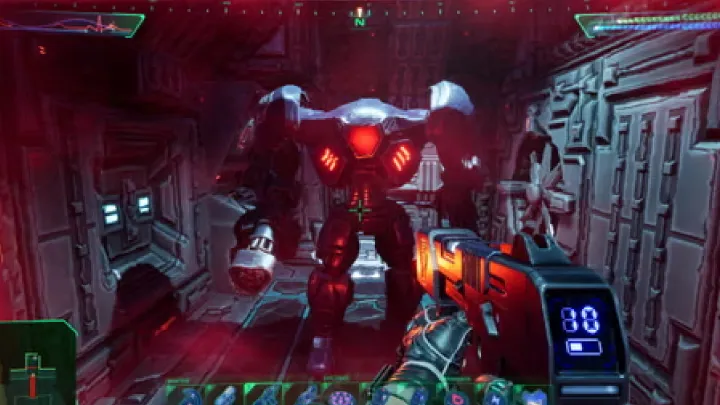








The revival of System Shock has been one of the most anticipated events in the gaming community, showcasing a blend of nostalgia and modern gaming advancements. As a remake of the 1994 classic, the game strives to introduce new players to the iconic world while also appealing to long-time fans. However, one crucial issue that arises from this ambitious project is the challenge of balancing modern design philosophies against the original game's unique identity. This article explores how System Shock navigates this delicate balance, focusing on gameplay mechanics, environmental storytelling, and the preservation of its core themes.
The Legacy of System Shock
System Shock first hit the scene in 1994, introducing players to a captivating blend of horror, science fiction, and immersive gameplay. Its influence on the first-person shooter and role-playing game genres cannot be overstated.
Groundbreaking Gameplay Mechanics
The original game was pioneering in its use of 3D graphics and a first-person perspective, creating a real sense of immersion for players. Its hybrid gameplay, combining combat with puzzles and exploration, set a new standard for future titles.
Narrative Depth
The game's narrative was enriched by environmental storytelling, audio logs, and complex characters. Players found themselves in a dystopian future aboard a space station called Citadel, controlled by the malevolent AI, SHODAN. The atmosphere was thick with tension and dread, laying the groundwork for what often felt like a psychological horror experience.
Lasting Influence
The impact of System Shock is evident in many subsequent games, most notably in titles such as BioShock, Deus Ex, and even more recent entries into the survival horror genre. The legacy forged by the original was that of a stark and thought-provoking narrative, intertwined with mechanics that encouraged exploration and engagement.
The Challenge of Modernization
When developing the remake, the goal was not only to attract new audiences but also to retain the essence of what made the original so special. Striking a balance between modernization and preservation is no small feat.
Visual Overhaul
One of the most noticeable changes in the remake is the visual upgrade. The original’s graphics were groundbreaking for the time, but by today’s standards, they often feel dated. This necessitated a complete graphical overhaul to improve textures, lighting effects, and character models.
Preserving Atmosphere
While the graphics have improved dramatically, care must be taken to ensure that the unsettling atmosphere of the original is not lost. The visual style should evoke the same feelings of isolation and tension, which are pivotal to the System Shock experience.
Updating Combat Mechanics
The combat system has also seen significant changes. One area of focus is the introduction of more fluid mechanics and controls designed to align with contemporary gaming standards. However, this leads to a dilemma: how much should the combat be modernized without sacrificing the strategic depth of the original?
Balancing Tactical Gameplay
In the original, players had to be strategic in how they approached encounters, making resource management a crucial element of combat. If the remake simplifies combat too much, it risks losing that tactical gameplay that defined the original experience.
Environmental Storytelling: A Critical Element
One of the original System Shock’s greatest strengths was its utilization of environmental storytelling. The narrative unfolded not just through dialogue but also through the world itself, encouraging players to explore and piece together clues.
In-Game Lore
Environmental storytelling was accomplished through the placement of logs, diaries, and details scattered throughout the Citadel station. These elements crafted a rich backstory for both the world and its inhabitants, encouraging players to engage with the environment fully.
Immersion and Exploration
In the remake, the reliance on environmental storytelling remains crucial. Players should feel drawn into the world, motivated to explore every nook and cranny to uncover the narrative. The design team faces the challenge of keeping this aspect intact while also integrating modern gaming techniques that might invite distraction.
Reinventing Narrative Devices
To maintain the integrity of environmental storytelling, developers can implement more nuanced methods of delivering lore. For instance, audio and visual elements can be used to create compelling moments without relying solely on written logs or static objects.
Examples of Narrative Integration
- Dynamic Environmental Cues: Incorporating elements like flickering lights or unusual sounds could draw players’ attention to important areas or story aspects without being overt.
- Interactive Lore: Allowing players to interact with objects in ways that reveal history can create a more engaging experience, enhancing immersion.
The Importance of Psychological Horror
System Shock is not merely a shooter; it is defined by its psychological horror elements. The remake must address how to recreate the chilling sense of dread that permeated the original.
Creating Tension
The atmosphere in System Shock was essential for building tension. Players not only faced physical threats from enemies but also psychological challenges as they navigated a world filled with despair and alienation.
Preserving Horror Elements
In remaking the game, retaining the core components of psychological horror is vital. Subtle cues, disturbing imagery, and chilling sounds can create an uneasy atmosphere and evoke feelings of dread.
Engaging the Player’s Mind
Horror in System Shock often emerged from its storytelling devices and character interactions. Players felt true fear when they learned about the backstories of characters and the consequences of SHODAN’s manipulation.
Tactics for Enhancing Horror
- Unease Through Ambiguity: Leaving certain narrative elements unclear can instill anxiety and uncertainty, allowing players to fill in gaps with their imagination.
- Interactive Moments: Adding moments where the environment seems to react or change based on player decisions adds a layer of psychological complexity and fear.
- Despair as Backdrop: Creating environments that reflect the psychological hardships of the characters will resonate with players, allowing them to feel the weight of past tragedies.
Player Feedback and Community Involvement
The development of System Shock has benefitted from player feedback and community involvement. Engaging with fans has provided valuable insights that help shape the remake.
Listening to the Fans
The original game has a dedicated community eager to see its legacy honored. Developers have actively solicited feedback through forums, social media, and gaming conventions, reflecting a keen interest in aligning the remake with community desires.
Assessing Community Concerns
Community feedback has addressed various aspects of the game, from combat mechanics to narrative depth. This ongoing dialogue has influenced certain design choices, helping developers understand what resonates with players.
Leveraging Feedback for Innovation
Incorporating community suggestions can lead to innovative solutions in both gameplay mechanics and storytelling. Involving fans in the development process fosters a sense of ownership and loyalty, enhancing the remake’s reputation and marketing potential.
Examples of Player Suggestions
- Hardcore Mode: Many players have voiced a desire for a challenging mode that can test their skills and better reflect the game’s original difficulty.
- Expanded Lore: Players have expressed interest in deepening the backstory with additional narrative layers and characters to enhance engagement.
- Customizable Gameplay: Feedback regarding character upgrades and customizable skills indicates a wish for a more tailored experience that accommodates various play styles.
The Balancing Act: Innovation vs. Preservation
The crux of developing a remake rests on how to innovate while also preserving the core elements that define the original. The challenge lies in ensuring that changes enhance rather than detract from the experience.
Identifying Core Elements
Developers need to identify essential elements that made the original System Shock resonate with players and seek to maintain these features. Shifting away from those aspects risks alienating long-time fans.
Innovative Features
While maintaining core aspects is crucial, integrating modern gameplay elements can benefit the overall experience. The balance between the two becomes crucial in enriching the gameplay while staying true to the identity.
Ensuring Consistent Quality
Keeping a consistent quality across gameplay, graphics, and narrative is essential to provide a coherent experience. Inconsistent execution across these elements can lead to player frustration and dissatisfaction.
Technical Considerations: Engine and Design Challenges
The engine and technical aspects involved in remaking System Shock also pose challenges. Optimizing performance while retaining the atmospheric qualities of the original is imperative.
Engine Capabilities
The choice of engine can significantly impact the game’s overall design and visual quality. A modern engine allows for advanced features such as improved physics, lighting, and AI but can introduce unforeseen issues during development.
Performance Optimization
Ensuring the game runs smoothly on various platforms is crucial. Technical optimization can mitigate performance drops or glitches that might distract from gameplay and narrative immersion.
Visual Fidelity vs. Technical Limitations
A focus on high visual fidelity must be balanced with maintaining frame rate stability and gameplay fluidity. The ultimate goal is to create an immersive experience without sacrificing performance.
The Road Ahead: Future Updates and Expansions
Once released, System Shock will face the challenge of sustaining player engagement through potential updates and expansions. This requires ongoing attention to community feedback, gameplay balance, and narrative development.
Post-Launch Engagement
Post-launch support is critical for maintaining player interest. Regular content updates can address player concerns and continually enrich the game.
Potential Expansions
Expansions could introduce new areas, character backstories, or even additional gameplay mechanics that enhance the overall experience. This would allow the game to evolve beyond its initial narrative and gameplay scope.
Building a Lasting Legacy
By addressing the challenges of balancing modernization with legacy preservation, developers can ensure that System Shock stands the test of time as a pivotal entry in gaming history.
Conclusion
System Shock is a bold endeavor that seeks to honor its legacy while navigating the complexities of modern gaming. The challenge of balancing narrative depth with engaging gameplay mechanics is vital for creating a compelling experience. By focusing on preserving core elements, engaging with community feedback, and addressing technical challenges, developers can deliver a remake that not only reintroduces the iconic narrative to new players but also wins the hearts of longtime fans.