




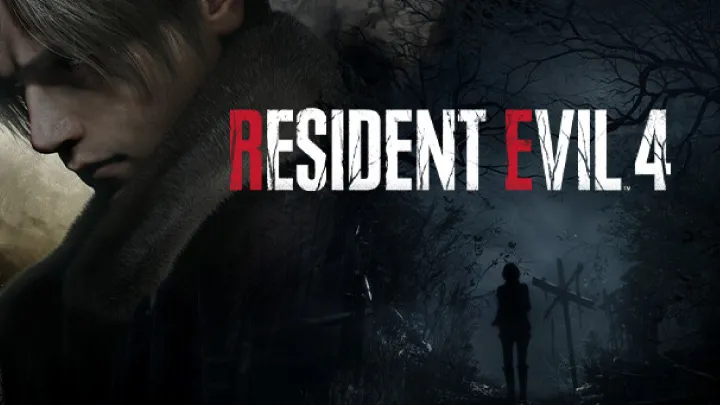
Resident Evil 4, released in 2005, marked a transformative moment in the survival horror genre, redefining gameplay mechanics and narrative techniques. Unlike its predecessors, this installment shifted towards more action-oriented gameplay while preserving the haunting atmosphere and intricate storytelling synonymous with the Resident Evil series. This article will explore the representation of fear and survival in Resident Evil 4, examining how the game crafts tension through its visual aesthetics, enemy design, and environmental storytelling, ultimately delivering a complex emotional experience for players.
Introduction
In Resident Evil 4, players step into the shoes of Leon S. Kennedy, tasked with rescuing the president's daughter, Ashley Graham, from a mysterious cult in a rural European village. The stakes are high, but it's the emotional and psychological weight of survival that elevates this game beyond mere action. Analyzing the representation of fear within Resident Evil 4 provides insight into how the game captures the essence of horror and transforms it into a gripping survival experience.
The Shift from Survival Horror to Action
A New Direction for the Franchise
Resident Evil 4 represents a significant departure from the tank controls and fixed camera angles characteristic of earlier entries in the series. This transformation was not merely aesthetic; it was a philosophical shift in how horror was experienced and conveyed.
- Gameplay Mechanics:
- The introduction of over-the-shoulder aiming allowed players greater control and precision, making combat engagements more dynamic.
- The ability to move while aiming changed the flow of encounters, incorporating a more tactical approach to combat and resource management.
- Intensified Action:
- The action-oriented focus shifted the emotional experience from one of mere survival to immediate tension and adrenaline.
- Enemies expressed a higher degree of aggression, pushing players to adapt quickly, blurring the lines between fear and excitement.
The Impact on Horror Representation
This transition in mechanics allowed for a reimagined representation of horror. Rather than a slow burn, players were thrust into intense encounters that required quick reflexes and strategic thinking.
- Immediate Threats:
- Fear became a reaction to immediate dangers, creating a sense of urgency that permeated gameplay.
- The game's adrenaline-pumping sequences established a rhythm of suspense that kept players fully engaged.
- Psychological Tension:
- The threats players faced were not just physical but also psychological, challenging their skills and reflexes while destabilizing their mental state.
- Encounters with grotesque enemies forced players to confront their fears, reinforcing the nature of horror as a complex emotional experience.
Environmental Storytelling and Atmosphere
A Haunting Setting
The environment in Resident Evil 4 is meticulously crafted to evoke a pervasive sense of dread. The village, castle, and laboratory settings serve not only as backdrops but as characters in their own right, shaping the player experience.
- Utilizing Architecture:
- The design of each location reflects the oppressive themes of isolation and despair. The village, with its dark corners and crumbling structures, creates an ambiance that is both immersive and unsettling.
- Each area is filled with environmental cues that draw players into the lore of the game, enriching the narrative without the need for extensive exposition.
- Lighting and Sound Design:
- Dynamic lighting plays a pivotal role in creating tension, with shadowy corners concealing lurking dangers and sudden shifts in light that amplify fear.
- The sound design is equally crucial; the ambient noises—echoing footsteps, distant growls, and unsettling music—heighten the atmosphere, making players constantly aware of potential threats.
Integration with Gameplay
The environment's design intricately integrates with gameplay mechanics, enhancing the horror experience.
- Navigation Challenges:
- As players explore, they must contend with mazes that disorient and confuse, mirroring the psychological state of a character lost in a terrifying world.
- Puzzle elements incorporated into the environment force players to slow down and engage with their surroundings, creating a more palpable sense of unease.
- Dynamic Interactions:
- Interactive environments, ranging from explosive barrels to destructible walls, add an unpredictable element that maintains tension.
- Players learn to approach each encounter with caution, unsure of what dangers lie beyond each corner or hidden passage.
Enemy Design and Fear Execution
The Ganados: Perfecting Terror
The game introduces the Ganados, villagers infected by a parasitic organism known as Las Plagas. Their design not only serves a mechanical purpose but also plays into the broader themes of fear and dread.
- Human Yet Monstrous:
- The Ganados embody the terrifying transformation of humanity into monstrosity, representing the loss of control and agency.
- This invokes a psychological fear—players are not just battling creatures but confronting the remnants of human life and values entangled in chaos.
- Adaptive AI:
- The adaptive behavior of the Ganados keeps players on edge; they coordinate attacks, use environmental objects as weapons, and employ tactics that require quick thinking and strategy.
- This unpredictability enhances fear levels, as players cannot rely on familiar patterns; each encounter feels unique and dangerous.
The Symbolism of Boss Fights
Boss encounters serve as powerful representations of fear and survival, contrasting the regular enemies with elevated threats that embody specific fears.
- Symbolic Confrontations:
- Encounters with figures like El Gigante and Saddler provide climactic moments that serve as metaphors for overcoming inner demons.
- These boss fights force players to engage with their capacity to strategize and adapt under pressure, reinforcing the survival theme.
- Survival Against All Odds:
- Each boss battle is not merely a test of skill but a narrative climax representing the struggle against overwhelming fear.
- The sense of victory following these encounters cultivates a rewarding emotional release, contrasted sharply against the tension built throughout the game.
Mechanics of Resource Management
Scarcity as a Key Fear Factor
Resource management plays a crucial role in enhancing the horror experience of Resident Evil 4. The need to wisely utilize limited supplies adds a constant layer of fear to gameplay.
- Ammo Conservation:
- Players must carefully consider their use of ammunition and health items, leading to scarce resources that elevate anxiety levels during encounters.
- The decision-making process regarding whether to engage or avoid threats is compounded by the constant reminder of limited resources.
- Upgrades and Customization:
- The ability to upgrade weapons introduces strategic planning and resource allocation, allowing players a sense of agency amid vulnerability.
- This balance between empowerment through upgrades and limitation through scarcity deepens the emotional stakes of survival.
Emotional Investment Through Resource Scarcity
The fear surrounding resources ignites deeper emotional connections to the gameplay experience.
- Tension in Decision-Making:
- Players grapple with the anxiety of running low on supplies, translating this tension into emotional engagement with the game.
- Each decision feels monumental; choosing whether to engage in combat or retreat becomes a pivotal moment in their survival narrative.
- Building Player Skills:
- Over time, the management of resources allows players to develop skills and strategies, creating opportunities for personal growth within the challenge of horror.
- Players learn to anticipate movements, create efficient action strategies, and make thoughtful decisions that enhance their character's survival journey.
Narrative Depth and Character Development
A Journey of Personal Growth
The narrative arc of Resident Evil 4 intertwines with the player’s emotional journey, forging a connection with Leon as he navigates this harrowing experience.
- Character Development:
- Leon's growth from a rookie cop to a seasoned agent is mirrored in the gameplay, offering a compelling narrative of resilience and adaptability.
- His determination to save Ashley, despite overwhelming odds, creates emotional stakes that resonate with players.
- Layers of Storytelling:
- The gradual unveiling of the story offers deeper layers, compelling players to engage with the narrative beyond mere survival.
- Encounters with other characters, including Ada Wong and Luis Serra, introduce subplots that explore themes of trust, betrayal, and survival among allies.
The Impact of Personal Relationships
The relationships Leon forges throughout the game accentuate the narrative, highlighting how emotional connections fuel his motivation and enrich player experience.
- Leveraging Relationships:
- Moments of vulnerability, such as conversations with Ashley or his encounters with Ada, deepen the emotional stakes and provide players with an understanding of Leon's character.
- These relationships reinforce the player’s investment in Leon’s journey, making each encounter more meaningful.
- Choices and Consequences:
- While the game provides a linear narrative, players consistently engage with choices that affect relationships, adding emotional complexity to their experience.
- The dynamics that emerge among characters underscore the fragility of trust in high-stakes scenarios.
Cultural Reception and Legacy
A Paradigm Shift in Gaming
The release of Resident Evil 4 was met with critical acclaim, praised for its innovative design, emotional depth, and compelling gameplay mechanics. Its impact on the gaming landscape continues to resonate today.
- Defining the Survival Horror Genre:
- Resident Evil 4 is credited with setting a new standard for survival horror games, influencing future titles with its blend of action and horror.
- The game’s advancements in gameplay mechanics have become hallmarks for many subsequent entries in the genre.
- Cultural Impact:
- The game has spawned various adaptations, including remakes, sequels, and merchandise, further cementing its status in gaming heritage.
- Its lasting influence can be seen in contemporary horror games that borrow heavily from its design principles and narrative approaches.
The Evolution of Horror in Gaming
As subsequent titles emerged, Resident Evil 4’s shift towards action-oriented gameplay prompted a broader conversation about fear in video games.
- Emergence of New Themes:
- The game’s success inspired developers to explore new themes within horror, expanding narratives to incorporate more agency for players while maintaining immersive horror experiences.
- This shift in focus has encouraged a more comprehensive understanding of what fear can be in video gaming.
- Community Engagement:
- The Resident Evil community remains robust, with fans sharing strategies, artwork, and discussions surrounding the game, maintaining interest in the franchise long after its release.
- This community engagement exemplifies how Resident Evil 4 has transcended its role as a game to become a cultural cornerstone.
Conclusion
Resident Evil 4 stands as a pivotal moment in the evolution of horror gaming, intertwining action, narrative depth, and emotional complexity. The game’s representation of fear through its innovative mechanics, atmospheric design, and compelling characters reflects a profound understanding of what constitutes effective horror.
By examining how fear and survival are woven into the fabric of the player experience, it becomes clear that Resident Evil 4 transcends mere gameplay to explore deeper emotional landscapes. This journey through terror and resilience cements its status as a landmark title in gaming history, influencing generations of players and developers alike.