.webp)






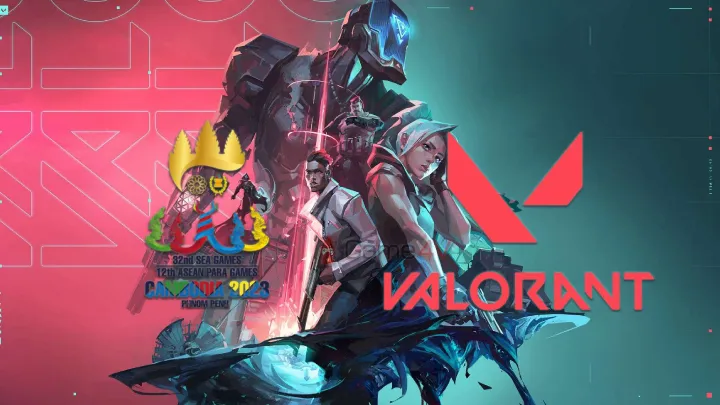
Valorant, developed by Riot Games, has quickly established itself as a competitive first-person shooter (FPS) that marries tactical gameplay with character abilities. This blend of agent-specific skills and traditional gunplay creates a unique experience, engaging players in a strategic battlefield. However, a pressing issue within the community is the ongoing challenge of agent balance. Balancing the diverse abilities of agents is crucial for maintaining equitability in gameplay, affecting competitiveness, player experience, and overall game integrity. This article explores the complexities of balancing agents in Valorant, the ramifications of imbalance, and potential solutions to establish a more fair and enjoyable competitive environment.
Introduction to Valorant
The Rise of Tactical Shooters
Launched in June 2020, Valorant quickly gained popularity for its blend of tactical shooter mechanics combined with character abilities akin to those seen in the Overwatch universe. Players choose from a diverse cast of agents, each equipped with unique abilities that influence combat dynamics and strategies. This innovation attracted players looking for a fresh take on the FPS genre, leading to its rapid community growth.
A Unique Blend of Mechanics
Valorant is built around team-based gameplay that focuses on strategic objectives, primarily planting or defusing a bomb-like device called the "Spike." With a blend of head-to-head gunplay and agent abilities, the game encourages tactical collaboration among players. However, as the game has evolved, the need for agent balance has emerged as a significant concern.
Understanding Agent Diversity
A Cast of Unique Characters
Valorant features a diverse roster of agents, each with distinct roles: Controllers, Duelists, Sentinels, and Initiators. This classification allows players to fulfill specific team roles, catering to different play styles. For instance, Duelists excel in aggression and fragging potential, while Supports focus on healing and providing utility.
Abilities Impact on Gameplay
Abilities define each agent’s playstyle, ranging from smoke screens and teleportation to healing and reconnaissance. While these abilities add depth to gameplay, they introduce complexity regarding balance. A single appraised agent can dramatically influence match outcomes, leading to discussions about fairness and competitiveness.
The Challenge of Balancing Abilities
Disparities in Agent Strength
Certain agents have occasionally risen to prominence due to powerful abilities or utility that offer substantial advantages in competitive settings. For example, agents like Jett and Omen often dominate many competitive matches due to their mobility and utility kits. This disparity raises concerns about agent viability and can stifle diversity in team compositions.
The Impact of Meta Shifts
Valorant features a shifting meta–where different agents rise and fall in popularity based on patches, pro play usage, and community sentiment. When certain agents consistently dominate the competitive scene, it may lead to a lack of variety in agent selection and play styles. This unbalanced state creates frustration among players who prefer engaging with diverse characters and strategies.
Community Feedback and Reactions
The Role of Player Sentiment
Community feedback plays a pivotal role in shaping the game's direction. Players often express their opinions on forums, social media, and during streams, highlighting imbalances and frustrations concerning agent abilities. Riot Games actively monitors these discussions, acknowledging the community's concerns and seeking input on necessary changes.
Examples of Community Outcry
Instances where agents have been perceived as overpowered often spark heated discussions. For example, Valorant’s agent Reyna generates debate due to her self-sustain and ability to thrive in chaotic gunfights. Players frequently call for adjustments when a character breaks the perceived balance, feeling that the competitive integrity of the game is at stake.
Riot Games' Approach to Balancing Agents
Patch Updates and Balancing Changes
Riot Games consistently releases patches to address balancing issues, ensuring that agents are modified to create a fair competitive environment. These updates often involve adjustments to specific abilities, cooldowns, or damage outputs, reflecting community feedback and data analysis from gameplay.
Strategies for Balance
Riot's balancing approach tends to analyze performance statistics, player win rates, and professional play representations. For example, if specific agents demonstrate a significant win rate, the developers may choose to adjust their abilities to provide a more level playing field. While Riot aims to act swiftly, balancing ensures that changes don’t swing too far in the opposite direction, leaving other agents feeling underwhelming.
The Effect of Competitive Play on Balance
Professional Scene Influence
The competitive landscape of Valorant presses the importance of balance even further. Agents gradually emerge as favored or dismissed based on professional play trends, which can influence the community's perceptions and strategies at all levels, including casual play.
Case Studies in Pro Play
Some agents have solidified their status among pro players due to their effectiveness in high-stakes matches. For instance, the ability of agents like Sova to gather significant intelligence through reconnaissance can shift the game's dynamics entirely in professional settings, leading to further discussions about balance within the general player base.
Solutions for Reinforcing Balance
Continuous Engagement with the Community
To maintain a balanced experience, continuous engagement with the player community is necessary. Riot Games can build on relationships with its audience through transparency about decision-making processes involving agent balancing. This openness can promote alignment between player expectations and the company’s vision.
Incorporating Player Input
Allowing players to provide input for potential changes can result in more versatile solutions. Riot could create forums or polls for players to express their opinions on agents requiring balance adjustments, making players feel directly involved in the game’s development.
Testing Environment
Introducing public test servers or beta-testing for upcoming balance changes can gather feedback from dedicated players invested in the Valorant ecosystem. This proactive approach can highlight issues before they impact the live environment, refining balance adjustments based on actual player interactions.
Addressing Complexity in Competitive Dynamics
Diversifying Agent Viability
Encouraging agent variety in professional and casual play can help alleviate balance-related tension. Designing agents with counterplay in mind means fostering a game environment where players can explore new strategies and approaches rather than relying on the same dominant agents.
Customizable Agent Roles
Rethinking agents' roles within the meta might also alleviate balancing issues. Allowing for flexible agent compositions would enable teams to adapt based on the opposing lineup, creating a richer strategic experience and breaking the cycle of repetitive agent use.
The Future of Valorant's Competitive Scene
Growth of the Esports Ecosystem
Valorant's rise within the esports sector showcases the increasing competitiveness of the game. With major tournaments and leagues gaining traction, maintaining agent balance will be essential for sustaining the health of the competitive ecosystem.
Proactive Development and Future Patches
As Valorant continues to develop, future patches may introduce new agents that further diversify the gameplay experience. Each new addition must be carefully balanced to ensure they enhance, rather than detract from, gameplay diversity. Frequent communication and agile responsiveness on Riot’s part is vital for addressing any emerging issues post-release.
Conclusion
Valorant embodies the spirit of competitive shooting through its tactical mechanics and character-driven gameplay. However, agent balancing remains a critical concern for developers and players alike. As the game evolves, Riot Games must remain vigilant in addressing disparities in agent abilities, listening to community feedback, and continually refining balance. By engaging players and creating an environment where diverse strategies are possible, Valorant can sustain its appeal and fortify its position as a leading competitive title.