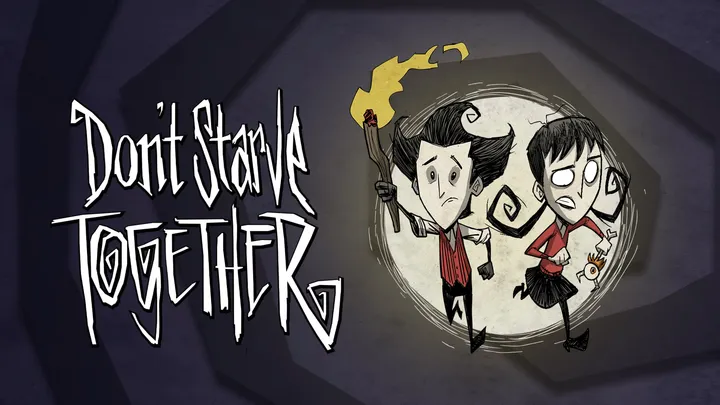






Survival games often test your reflexes, but Don’t Starve challenges your planning, knowledge, and decision-making. With its dark, hand-drawn art style and unforgiving mechanics, the game throws you into a mysterious world where hunger, monsters, and even your own sanity can kill you.
If you’re struggling to survive beyond a few days or want to master the game, this guide will teach you exactly how to progress step by step—from your first night to long-term survival and domination.
1. How to Survive Your First Day
When you begin, your main objective is simple: gather as many resources as possible before nightfall. You’ll need grass, twigs, flint, and food immediately.
Avoid wasting time fighting early on. Focus on exploration and resource collection so you can craft essential tools before night arrives.
First-Day Checklist
- Collect grass, twigs, and flint
- Craft an axe and pickaxe
- Gather berries and carrots
Survival Tip
Always keep moving—standing still wastes valuable daylight.
2. How to Prepare for Your First Night
Night in Don’t Starve is deadly. Without a light source, you’ll be attacked by unseen creatures in the darkness.
Craft a torch before sunset or build a campfire to stay safe. Always monitor the time bar at the top of the screen.
Night Essentials
- Torch or campfire
- Extra fuel (logs, grass)
- Safe open area
Warning
Never let your light source run out—it results in instant death.

3. How to Manage Hunger, Health, and Sanity
Unlike many survival games, Don’t Starve has three critical stats: hunger, health, and sanity. Ignoring any of them can lead to death.
Sanity is especially tricky—low sanity causes hallucinations that become real threats.
Stat Management
- Hunger: Eat regularly
- Health: Avoid damage and use healing items
- Sanity: Stay near light and pick flowers
Pro Tip
Cooked food restores more hunger and health than raw food.
4. How to Choose the Best Base Location
Your base is your lifeline. Choose a location near key resources like food, trees, and rocks.
Central locations between multiple biomes are ideal for long-term survival.
Ideal Base Features
- Nearby food sources
- Access to multiple biomes
- Safe distance from enemies
Placement Tip
Avoid building too close to beefalo herds—they can become aggressive during mating season.
5. How to Build a Sustainable Food Supply
Food becomes harder to find as days pass, so you need renewable sources.
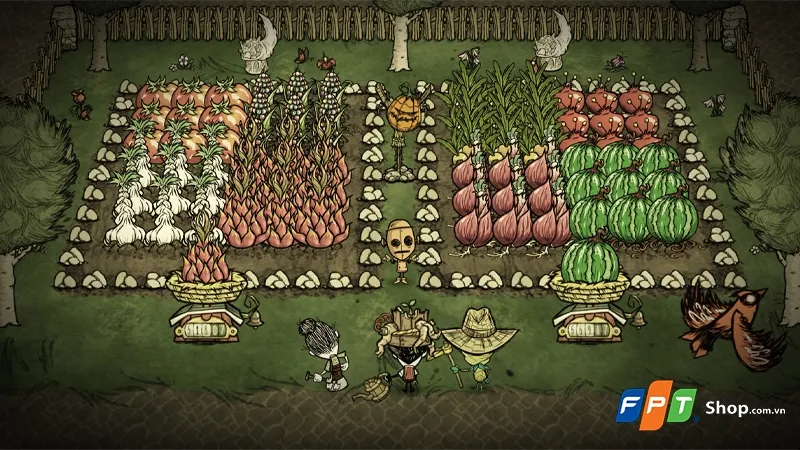
Farming, trapping, and drying meat are essential systems for long-term survival.
Food Strategies
- Set rabbit traps
- Build farms for crops
- Dry meat using drying racks
Efficiency Tip
Combine foods in a crock pot to create powerful meals.
6. How to Craft Essential Tools and Items
Crafting unlocks your ability to survive longer. Prioritize science-based structures to access better recipes.
Build a Science Machine early, then upgrade to an Alchemy Engine.
Must-Have Items
- Backpack (more inventory space)
- Spear (basic weapon)
- Log suit (armor)
Crafting Tip
Always plan ahead—don’t waste rare materials on unnecessary items.
7. How to Defend Against Monsters
Enemies become more dangerous over time. Hounds, spiders, and shadow creatures will test your combat skills.
Learning attack patterns and timing is key to survival.
Combat Basics
- Attack, then dodge
- Use armor to reduce damage
- Fight in open areas
Smart Strategy
Let environmental hazards (like beefalo or traps) kill enemies for you.
8. How to Survive Seasonal Changes
Seasons dramatically affect gameplay. Winter brings freezing temperatures, while summer introduces overheating and fires.
Preparation is crucial before each seasonal change.
Seasonal Prep
- Winter: Stockpile food and craft warm clothing
- Summer: Build cooling items and lightning rods
Important Tip
Always prepare one season in advance to avoid being caught off guard.
9. How to Explore and Expand Safely
Exploration is necessary to find rare resources and important structures. However, traveling too far without preparation can be fatal.
Always bring food, tools, and materials for emergency fires.
Exploration Checklist
- Food supply
- Weapon and armor
- Materials for torch or fire
Navigation Tip
Use landmarks and map knowledge to avoid getting lost.
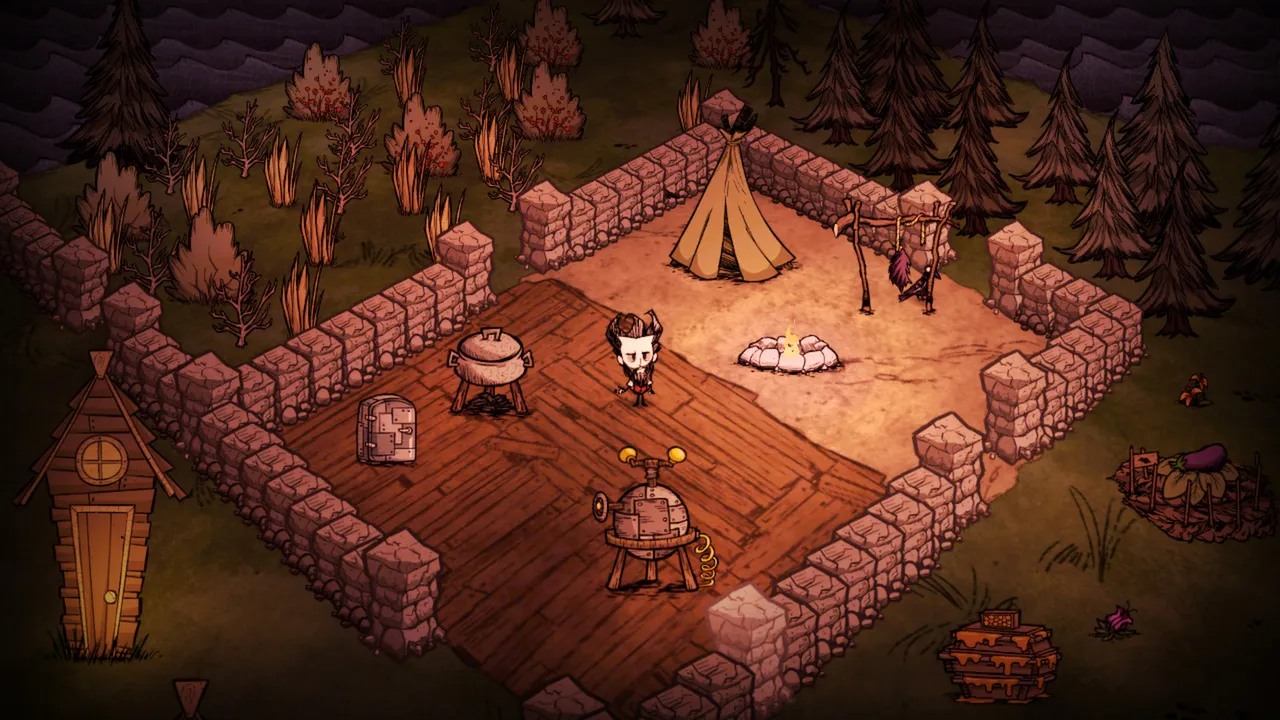
10. How to Reach Long-Term Survival Mastery
In the late game, your goal is stability and efficiency. Automate food production, build advanced structures, and prepare for boss fights.
At this stage, survival becomes less about panic and more about optimization.
Late-Game Goals
- Fully upgraded base
- Reliable food systems
- Strong combat gear
Endgame Tip
Experiment with different characters—each has unique abilities that change gameplay strategies.
Conclusion
Don’t Starve is a challenging but deeply rewarding game that tests your ability to plan, adapt, and survive under pressure. By following this guide, you’ll learn how to manage resources, build a stable base, defend against threats, and survive through all seasons.
The key to success is preparation. Every decision matters, and the more you learn from each failure, the longer you’ll survive in this unforgiving world.
Summary (160 characters): Learn how to survive in Don’t Starve with this guide covering resource management, base building, combat, seasons, and long-term survival strategies.